
Childcare Transportation to Spring Lake Park Schools: How Working Parents Are Finally Making It Work

May 16, 2026

New Title

There's a version of the school morning that goes smoothly. Backpacks are packed the night before. Breakfast happens without incident. Shoes are found on the first try. Everyone gets out the door on time and your kid walks into school calm, fed, and ready.

And then there's the version most working parents actually live.

The alarm goes off and you're already doing mental math. If drop-off is at 7:45, and your shift starts at 8:00, and the school is twelve minutes from your office — that math doesn't work. It's never worked. And yet here you are again, trying to solve the same unsolvable equation before you've even had your first cup of coffee.

For parents in Spring Lake Park and the surrounding communities, the logistics of getting kids to school while also showing up reliably to work is one of the most persistent daily stressors there is. It's not just about being busy. It's about the very real gap that exists between when you need to be somewhere and when the school doors actually open.

That's the gap that Little Bee's Child Care Center was built to fill.

The Hidden Logistics Problem No One Talks About Enough

When parents start searching for childcare, the conversation usually centers on infants and toddlers. Which center has the best infant program? What's the teacher-to-child ratio for the two-year-old room? Those are important questions — but the logistics challenge doesn't disappear once your child starts school. In a lot of ways, it gets more complicated.

Elementary school schedules are built for a world where someone is available to handle drop-off at 8:30 AM and pickup at 3:00 PM. That world doesn't match the reality for most working families. Schools close for weather. Early release days pop up on the calendar. Teacher conference days mean no school on a Thursday when both parents work full-time. And every single day, there's the question of who handles the hours between when you leave for work and when the school building actually opens its doors.

This is the childcare transportation problem — and it's one of the most common reasons parents in Spring Lake Park and communities like Blaine, Fridley, and Mounds View reach out to centers like Little Bee's.

What "Childcare with Transportation" Actually Means for Your Family

The phrase "childcare with school transportation" sounds like a practical logistics feature. And it is. But the lived experience of it is something bigger — it's what actually allows a parent to go to work without the low-level dread of wondering whether the handoff is going to work today.

At Little Bee's Child Care Center, the before and after school care program is designed specifically around the reality of working parents' schedules. Kids arrive at the center in the morning, spend time in a structured, supervised environment before school hours begin, and then Little Bee's provides transportation to local Spring Lake Park schools when it's time.

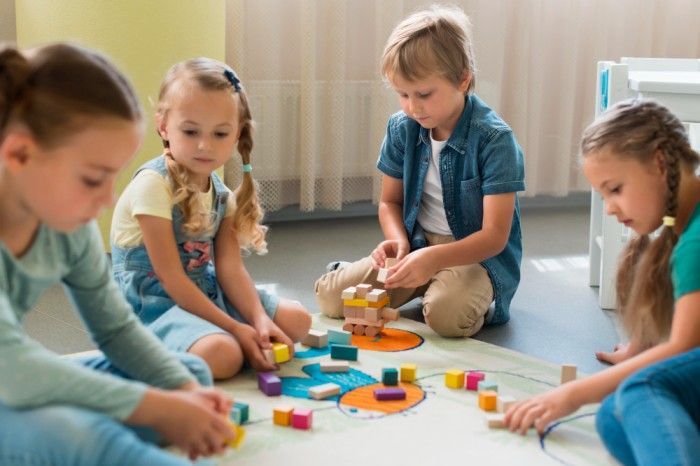
After school, the process runs in reverse. Instead of leaving your child to figure out an unsupervised gap, or relying on the same neighbor who's covered for you seventeen times already, your child comes back to Little Bee's. Homework support, a snack, activities, and a safe, familiar environment — until you're ready to pick them up.

For a lot of families, this single logistical solution untangles something they've been working around for years.

Why Before-School Care Matters Just as Much as After-School Care

Most conversations about school-age childcare focus on the afternoon. After school care gets most of the attention because 3:00 PM is obviously a problem when most workdays don't end until 5:00. But the morning gap is just as real — and it catches families off guard more often than the afternoon one does.

Elementary schools in Spring Lake Park typically don't open their doors to students until 7:30 or 7:45 AM. If your workday starts at 7:00 or 8:00, depending on your commute, that window is either extremely tight or completely impossible to manage on your own.

Little Bee's opens at 5:30 AM every weekday morning. That's not a typo. While most childcare centers in the north metro aren't even unlocked until 6:30 or 7:00, Little Bee's has been welcoming early arrivals since 2005. Kids who need to be there at 6:00 AM because a parent works an early shift aren't scrambling for a solution — they have a warm, staffed, safe place to start their morning.

Before school care at Little Bee's isn't just supervised waiting. The mornings are structured and calm. Kids ease into the day with activities, breakfast options, and the comfort of a routine they know. By the time transportation takes them to school, they've already had a good morning — which means they walk into the classroom ready, not rattled.

What the After-School Hours Actually Look Like

Here's something worth knowing about how Little Bee's approaches after-school care: it's not an afterthought. The afternoon program has the same intentionality as every other part of the center's day.

When kids arrive back at Little Bee's after school, the afternoon is built around a few core things:

Homework Support This doesn't mean a staff member sitting next to your child doing the math for them. It means a structured, low-distraction time built into the schedule where kids can actually sit down and work through their assignments with support available if they need it. Kids who finish homework before pickup are ahead of the evening rush before dinner — which any parent knows is a small but meaningful gift.

Real Snacks After a full school day, kids are hungry. Little Bee's provides afternoon snacks, so your child isn't arriving home on an empty stomach and crashing by 5:30 PM.

Structured Activities and Free Play The balance here is important. Kids who've been in a structured school environment all day need room to decompress. Little Bee's afternoon programming gives them organized activities alongside genuine free play time — which is exactly the kind of balance that developmental experts consistently recommend for school-age children.

A Familiar, Trusted Environment This one matters more than the logistics. Your child knows the teachers. They know the space. They have friends there. After-school care at a place that feels safe and familiar is categorically different from after-school care that feels like a holding pen. Kids pick up on that difference immediately — and so do parents when they see how their child feels about going.

The Before & After School Care Gap Nobody Prepares You For

There's another version of this problem that doesn't come up until you're already living it: the in-between years.

Your youngest is finally done with full-time daycare and starting kindergarten. You breathe a sigh of relief because full-day childcare costs are finally behind you. And then reality sets in — kindergarten ends at 3:00 PM, your office is 25 minutes away, and you genuinely do not know how you're going to handle this.

School-age childcare in the north metro isn't as easy to find as infant or preschool care. A lot of centers stop accepting children once they start elementary school, which leaves families scrambling for options right at the moment when they expected things to get easier.

Little Bee's accepts school-age children through age 12, which means the before and after school care program grows with your family. You're not starting over and finding a new solution every few years. The center that your child knew as a toddler, or that their younger sibling still attends, is the same place they come back to after school. That continuity is genuinely underrated — for the child and for the parent.

Serving Spring Lake Park and the North Metro

Little Bee's Child Care Center is located at 1630 County Hwy 10 #3 in Spring Lake Park, which puts it right in the heart of the communities it serves. Families from Blaine, Fridley, Mounds View, and Coon Rapids regularly use the center, and the before and after school transportation service makes it practical for families whose school-age children attend Spring Lake Park area schools.

If you're not sure whether the transportation service covers your child's school, the best move is to call directly and ask. The center's director can walk you through the specifics of how transportation works, which schools are covered, and what the logistics look like day to day.

What Parent Aware Rated Actually Means

If you see "Parent Aware Rated" on a childcare center's website and you're not sure what it means, here's the quick version: it's Minnesota's quality rating system for childcare providers, run through the Minnesota Department of Human Services. Centers that carry this rating have been evaluated across multiple dimensions — staff qualifications, learning environment, family partnerships, and child assessment practices.

Not every licensed childcare center in Minnesota goes through this process. It requires an active commitment to quality evaluation and ongoing improvement. Little Bee's has earned and maintained this rating, which means families aren't just taking the center's word for it that the quality is there — an independent system has assessed it.

For parents choosing before and after school care, the Parent Aware rating is a meaningful data point. It tells you that this isn't a center coasting on reputation. It's one that's been held to external standards and met them.

Family-Owned Since 2005 — And Why That Still Matters for School-Age Kids

There's a version of school-age childcare that's purely logistical. Drop your kid off, pick them up, make sure nobody got hurt in between. It works, technically.

And then there's the version where the person running your child's after-school environment actually knows your kid — knows that they had a rough week, knows they prefer the building blocks to the art supplies, knows to give them ten minutes of quiet before jumping into homework time.

That second version is what a family-owned center with twenty years of community roots provides. Little Bee's has been privately owned and operated since 2005. The staff build real relationships with the families they serve. When your school-age child comes back to Little Bee's after a hard day at school, they're walking into a place where people genuinely know them.

That's not something you can franchise.

How to Get Your Child Enrolled

If you're a working parent in Spring Lake Park, Blaine, Fridley, Mounds View, or Coon Rapids and you're figuring out school-year childcare — or trying to solve the transportation problem before the school year gets away from you — Little Bee's Child Care Center is the place to start.

Enrollment is open for the before and after school care program, and the best way to see whether it's the right fit is to schedule a tour and talk through your specific situation with the team.

📍 1630 County Hwy 10 #3, Spring Lake Park, MN 55432 📞 (763) 780-0187 📧 info@littlebeeschildcare.com 🕠 Open Monday–Friday, 5:30 AM – 6:00 PM

Schedule a Tour →

The school year moves fast. The families who have this figured out before September even starts are the ones who didn't wait until it became a crisis.

Share this article

Recent Posts

Flexible Childcare Options: Part-Time, Full-Time, and Before/After School Care
May 12, 2026
Finding childcare that fits your family’s schedule can feel overwhelming, especially when every household has different needs. Some parents need care five days a week, while others only need a few hours during the workday or help around school schedules. That is why flexible childcare options have become so important for modern families. The right program should support not only your child’s development but also the rhythm of your daily life. At Little Bee’s Child Care Center, we understand that flexibility matters. Families today balance work, school, activities, appointments, and changing schedules, and childcare should help make life easier, not more stressful. Whether you are looking for part-time care, full-time enrollment, or before and after school programs, understanding your options can help you choose the best fit for your child and your family.

How to Choose a Local Daycare Center That Feels Like Home
April 14, 2026
Finding the right daycare is not just about proximity or availability. It is about finding a place where your child feels safe, understood, and genuinely cared for. For many parents, the goal is simple but powerful: to find a daycare that feels like an extension of home. That sense of comfort can make all the difference in how a child adjusts, learns, and grows. At Little Bee’s Child Care Center, we understand that this decision carries both emotional and practical weight. Families are not just choosing a service, they are choosing a daily environment that shapes their child’s early experiences. Knowing what to look for can help you move forward with clarity and confidence.

By Vajira . March 29, 2026
Best Early Morning Drop-Off Daycare in Spring Lake Park, MN | Open at 5:30

Licensed Childcare Services: Why Accreditation and Safety Matter
March 10, 2026
Choosing the right childcare for your family is one of the most important decisions you will make. Parents want to ensure that their children are cared for in a safe, nurturing, and structured environment. One of the key ways to evaluate a center is by checking its licensing and accreditation. Licensed childcare services provide parents with peace of mind, and at Little Bee’s Child Care Center, we prioritize both compliance and quality care. Accreditation and licensing are more than just paperwork—they are indicators that a center meets specific standards for safety, staff qualifications, and program quality. Understanding these standards helps families make informed decisions while ensuring children have the best possible start in life.
By Vajira . February 16, 2026
Introduction
By Vajira . February 11, 2026
The Little Bee's Difference
The Benefits of Full-Day Preschool: Is It Right for Your Child?
February 10, 2026
Choosing the right preschool program is a big decision for families. One of the most common questions parents ask is whether a full-day preschool program is the right fit for their child. As family schedules change and expectations for early learning grow, full-day preschool has become an increasingly popular option. Understanding how it works and what it offers can help you make a confident decision.  At Little Bee’s Child Care Center, we often talk with families who want to balance strong early education with a nurturing environment. Full-day preschool is designed to support both academic growth and social development in a way that feels natural for young children. Below, we break down the benefits, considerations, and how full-day preschool supports children and families alike.
Infant Daycare vs Toddler Daycare: How to Choose the Right Program for Your Child
January 13, 2026
Choosing the right daycare program can feel overwhelming, especially when your child is growing and changing so quickly. Parents often find themselves wondering whether infant daycare or toddler daycare is the better fit—and the truth is, the right choice depends on your child’s developmental stage, personality, and daily needs. Understanding the differences between these two programs can help you feel confident that your child is receiving the care and stimulation they deserve. At Little Bees Childcare , families are guided every step of the way to ensure the best possible start for their little ones.
By Vajira . January 11, 2026
Your toddler is growing up fast, and suddenly preschool is right around the corner. If you're a parent in Spring Lake Park wondering whether your little one is ready for this big transition, you're not alone. After nearly 20 years of helping families navigate early childhood education, we've guided hundreds of toddlers through this exciting milestone—and we're here to share what really works. The transition from toddlerhood to preschool is one of the most significant developmental leaps your child will make. While it's natural to feel a mix of excitement and anxiety, preparing your toddler for preschool doesn't have to be overwhelming. With the right approach and realistic expectations, you can set your child up for a smooth, successful transition. Is Your Toddler Ready for Preschool? Before diving into preparation strategies, let's talk about readiness. Many parents ask, "When is my child ready for preschool?" The truth is, there's no universal age or checklist that applies to every child. However, there are some developmental milestones and skills that indicate preschool readiness. Key Signs of Preschool Readiness Social and Emotional Development: Shows interest in playing with other children (even if they're still learning to share) Can separate from you for short periods without extreme distress Beginning to express emotions with words rather than only physical reactions Shows curiosity about new environments and experiences Communication Skills: Uses words or gestures to communicate needs and wants Follows simple two-step instructions ("Pick up your toy and put it in the bin") Can understand and respond to basic questions Beginning to engage in back-and-forth conversation Physical Development: Can walk, run, and climb with increasing coordination Shows interest in self-care tasks (even if they haven't mastered them yet) Has enough fine motor control to hold crayons, turn pages, and manipulate toys Self-Care Abilities: Shows interest in using the toilet or is in the process of potty training Can attempt to wash hands with guidance Tries to put on shoes or clothing items (success optional!) Can feed themselves with minimal mess Here's the important part: your toddler doesn't need to be perfect at all these skills before starting preschool. Preschool programs are designed to help children develop these abilities. What matters most is that your child shows interest in learning and growing in these areas. Starting the Conversation: Talking About Preschool One of the best ways to prepare your toddler for preschool is simply talking about it. Start these conversations several weeks before the first day, keeping them positive and age-appropriate. What to Say (and What Not to Say) Do say: "You're going to make new friends at preschool!" "Your teachers will help you learn so many fun things." "We'll read books, sing songs, and play games at school." "Mommy/Daddy will always come back to pick you up." Avoid saying: "You're a big kid now, so you can't cry." (Emotions are okay!) "I'll be so sad without you." (This increases separation anxiety) "If you don't behave, you can't go to preschool." (School shouldn't be conditional) Read Books About Preschool Books are powerful tools for preparing toddlers for preschool. They help children visualize what to expect and provide a safe way to discuss fears or questions. Some favorites include: "The Kissing Hand" by Audrey Penn "Llama Llama Misses Mama" by Anna Dewdney "First Day Jitters" by Julie Danneberg "Will I Have a Friend?" by Miriam Cohen Read these books together regularly in the weeks leading up to preschool. Let your toddler ask questions and express their feelings about the stories. Building Essential Preschool Skills at Home While your toddler doesn't need to master everything before preschool, practicing certain skills at home will boost their confidence and make the transition smoother. 1. Practice Separation If your toddler has primarily been home with family, separation anxiety is normal and expected. You can ease this by gradually introducing short separations: Start with brief separations: Leave your toddler with a trusted family member or friend for 30 minutes while you run a quick errand Gradually extend the time as your child becomes more comfortable Always say goodbye—never sneak away, as this can increase anxiety Return when you say you will to build trust Keep goodbyes brief and confident For Spring Lake Park families, consider arranging playdates with other local children or visiting community spaces like Spring Lake Park Reserve to help your toddler get comfortable in new environments. 2. Establish Independent Self-Care Routines Preschool requires a certain level of independence. You can help by encouraging your toddler to practice: Toileting: While most preschools don't require complete potty training, familiarity with the process helps. Let your toddler: Sit on the potty at regular intervals Practice pulling pants up and down Learn to flush and wash hands Hand Washing: This is crucial in a preschool setting. Make it fun: Sing the "Happy Birthday" song twice while washing Use foaming soap or colorful soap dispensers to make it engaging Practice the routine: wet, soap, scrub, rinse, dry Getting Dressed: Encourage your toddler to participate in dressing: Choose simple, elastic-waist pants for school days Practice putting on jackets and shoes (velcro is your friend!) Let them try to zip, button, and snap (even if you finish the job) 3. Foster Social Skills Through Play Preschool is inherently social, and toddlers who have practiced basic social interactions tend to adjust more easily. Sharing and Taking Turns: Set up situations where your toddler must share or wait: "You can play with the blue blocks while your sister plays with the red ones" Use timers for turn-taking: "You have the toy for 5 minutes, then it's your brother's turn" Model sharing yourself: "Mommy is sharing the crayons with you!" Using Words: Teach your toddler simple phrases for social situations: "Can I play too?" "My turn, please" "I don't like that" "Help me, please" Group Activities: Practice being part of a group through: Storytime at the Spring Lake Park library Music and movement classes in the area Playground visits during busy times Family gatherings where multiple children are present 4. Build Listening and Following Directions Preschool requires children to listen to teachers and follow group instructions. You can help by: Giving clear, simple directions: "Please put your cup on the table" Gradually adding steps: "Put your shoes away, then wash your hands" Playing "Simon Says" and other listening games Reading books and asking your toddler to predict what happens next 5. Encourage Independence and Problem-Solving Preschool teachers can't provide one-on-one attention at all times, so children who can attempt tasks independently adjust more smoothly. Try this approach: When your toddler asks for help, first say: "I think you can try it yourself. I'll watch!" Offer encouragement for effort, not just success: "You worked so hard to zip that jacket!" Break tasks into smaller steps: "First, let's put your arm in the sleeve..." Step in only when truly needed Creating a Preschool-Like Routine at Home Toddlers thrive on predictability. Creating a routine similar to what they'll experience at preschool can ease the transition significantly. Morning Routine Start practicing a preschool morning routine 2-3 weeks before the first day: Wake up at the same time each day Get dressed (let your toddler choose between two outfits) Eat breakfast together Brush teeth Pack a backpack (even if you're just going to the park) During the Day Incorporate preschool-like activities: Circle time: Sit together, sing songs, read a story, and discuss the day Activity time: Set out playdough, crayons, puzzles, or building blocks Snack time: Sit at the table and practice pouring drinks or opening containers Outdoor play: Visit playgrounds or your backyard for gross motor development Quiet time: Practice resting quietly with books or soft toys Bedtime Routine Adequate sleep is crucial for preschool success: Establish a consistent bedtime (most toddlers need 11-14 hours of sleep) Create a calming routine: bath, books, songs, lights out Start this routine 2-3 weeks before preschool begins Visiting the Preschool Before the First Day If possible, visit the preschool with your toddler before their first day. Many programs, including Parent Aware rated facilities in Minnesota, offer orientation days or tours. During your visit: Let your toddler explore the classroom and play with some toys Meet the teachers and introduce your child Show them where they'll hang their backpack and coat Point out the bathroom, playground, and other important areas Take photos to look at together later If your preschool doesn't offer a formal visit, ask if you can schedule a brief tour. Familiarity with the space can significantly reduce first-day anxiety. Addressing Common Fears and Concerns "What if my child cries when I leave?" Tears at drop-off are completely normal, especially in the first few weeks. Here's what helps: Create a goodbye ritual: A special handshake, a kiss on the hand, three hugs—whatever works for your family Keep goodbyes brief: Long, drawn-out departures usually make it harder Be confident: Children pick up on your emotions. If you're anxious, they'll be anxious Trust the teachers: Most children calm down within 5-10 minutes of a parent leaving Stay consistent: Don't let tears convince you to stay longer or skip days "What if my child doesn't make friends?" Friendship skills develop over time. Many toddlers engage in "parallel play" (playing alongside but not directly with peers) before developing true friendships. Your child's teachers are experienced in facilitating social interactions and will help your toddler connect with classmates. "What if my child has accidents?" If your toddler is still potty training, accidents are expected and normal. Quality preschools are prepared for this: Send extra clothes clearly labeled with your child's name Communicate openly with teachers about your child's toileting needs Avoid making a big deal about accidents—matter-of-fact responses work best Special Considerations for Spring Lake Park Families As a local Spring Lake Park family, you have unique advantages when preparing your toddler for preschool: Community Resources: Spring Lake Park Reserve offers nature programs that help toddlers become comfortable in group settings Local playgroups and library storytimes provide practice with routines and social interaction Minnesota winters mean practicing snow gear independence (zipping coats, putting on mittens) is especially important Choosing Quality Care: Minnesota's Parent Aware rating system helps families identify high-quality programs. Parent Aware rated facilities meet rigorous standards for teacher qualifications, curriculum, and learning environments—factors that directly impact your child's preschool success. Learn more about how to find reliable childcare that meets your family's needs . The Week Before Preschool Starts Practical Preparations: Shop together: Let your toddler help choose a special backpack or lunchbox Label everything: Jackets, extra clothes, water bottles—everything should have your child's name Prepare emotionally: Talk about preschool daily in positive, excited terms Plan your route: Do a practice drive or walk to school so your toddler knows what to expect Prepare comfort items: If allowed, let your child choose a small comfort item (photo, stuffed animal) for their cubby Final Reminders: Get plenty of sleep—overtired toddlers struggle more with transitions Plan to arrive a few minutes early (but not too early) on the first day Bring tissues—you might need them more than your toddler! Trust the process—adjustment takes time What to Expect in the First Few Weeks Every child adjusts to preschool differently. Some bound through the door on day one, while others need several weeks to feel comfortable. Both are completely normal. Common adjustment patterns: The Honeymoon Period: Some children do great for the first few days, then struggle once the novelty wears off The Gradual Warmer: Other children start hesitant but become more comfortable each day The Roller Coaster: Good days and tough days alternate Red flags that might indicate a problem: Your child is still extremely distressed after 4-6 weeks Physical symptoms (stomach aches, refusing to eat) that weren't present before Extreme behavioral changes at home Teachers expressing serious concerns about adjustment If you notice these issues, schedule a meeting with your child's teachers to discuss strategies and determine if additional support is needed. Supporting Your Toddler After Preschool Starts The preparation doesn't end on day one. Here's how to continue supporting your child: Daily Check-ins: Instead of asking "How was school?" (which often gets a "good" or "I don't know"), try: "What made you laugh today?" "Who did you play with?" "What was your favorite snack?" "Did you sing any songs?" Maintain Routines: Consistency at home helps children feel secure during this time of change. Stick to your established morning and bedtime routines. Allow Extra Rest: Preschool is exhausting! Your toddler is learning so much and working hard to regulate emotions and behavior. They may need: Earlier bedtimes Quiet time when they get home Extra patience with tantrums or meltdowns (these are often just overwhelm) Communicate with Teachers: Build a partnership with your child's teachers. Share information about: How drop-offs are going at home Any big changes in your family Your child's interests and strengths Questions or concerns Celebrate Small Wins: Acknowledge your child's bravery and growth: "You were so brave when you said goodbye today!" "I'm proud of you for trying new things at school." "You're learning so many new songs!" The Bottom Line: You've Got This! Preparing your toddler for preschool is a journey, not a destination. You don't need to have everything figured out before that first day. Preschool teachers are experienced professionals who work with children at all developmental levels—including those who cry, resist, or need extra support. What matters most is not whether your toddler has mastered every skill, but that they feel loved, supported, and excited about learning. When you approach this transition with patience, realistic expectations, and trust in both your child and their teachers, you're setting the stage for preschool success. For families in Spring Lake Park and the surrounding areas, choosing a quality daycare program that understands toddler development and provides nurturing, experienced care makes all the difference. Whether you're just beginning to explore preschool options or counting down the days to your child's first day, remember: thousands of toddlers make this transition successfully every year—and yours will too. Ready to Learn More? At Little Bee's Child Care Center , we've been helping Spring Lake Park families navigate the transition to preschool for nearly 20 years. Our Parent Aware rated preschool program is specifically designed to support toddlers as they develop the social, emotional, and cognitive skills they need to thrive. We understand that every child is unique, and we take the time to get to know your toddler's personality, learning style, and needs. If you're exploring preschool options for your little one, we'd love to give you a tour of our facility and answer your questions about preschool readiness. Contact us today to schedule a visit and see how we can support your family's preschool journey. If you're ready to take the next step, you can also complete our enrollment form online or review our financial policies to understand what quality childcare costs . Little Bee's Child Care Center is a family-owned, Parent Aware rated facility serving Spring Lake Park families since 2005. We provide comprehensive care for children 6 weeks to 12 years, including specialized toddler programs , infant care , and preschool programs designed to foster independence, curiosity, and a lifelong love of learning. Learn more about us or visit our gallery to see our facility. Explore more helpful resources on our blog .
January 5, 2026
Finding quality daycare is one of the most important decisions families make, and cost is often the first question that comes up. Parents want to know what they are paying for, why prices vary, and how to tell if a daycare is truly worth the investment. Understanding childcare pricing helps families feel confident, prepared, and empowered when choosing care for their children. At Little Bee’s Child Care Center, we believe transparency around childcare costs is just as important as quality care itself.
Show More